
Best All-Mountain Skis for 2026
Ten current-production all-mountain skis compared on waist width, rocker profile, sizing and published pricing, spanning approachable frontside carvers to wider freeride-leaning models.
How this guide was built: Guidevio compiled it from manufacturers' official product pages, specifications and warranty terms, plus retailer listings for availability. We did not buy, borrow or test any of these products, and nothing here is a laboratory result, a review score or a sponsored placement. Prices are shown only where we saw them on an official or retailer page and can change at any time. Links marked Amazon are affiliate links: as an Amazon Associate, Guidevio earns from qualifying purchases, and those links are marked sponsored. Other links go straight to the brand or retailer page and earn nothing. Commissions never decide which products are included or how they're ranked.
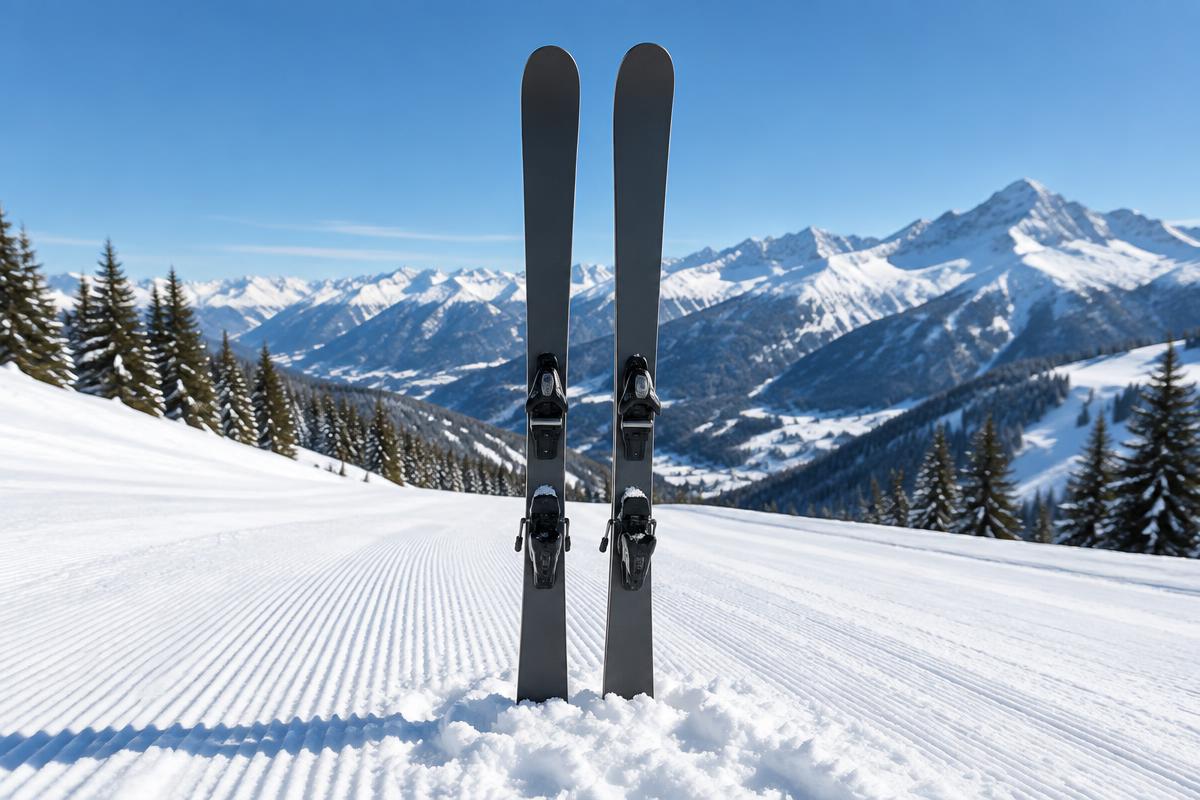
All-mountain skis are built to handle groomed runs, variable snow, and the occasional powder day without forcing a skier to own three different pairs. This guide looks at ten models currently sold by their manufacturers, spanning narrower frontside-biased skis around an 86-88mm waist up to wider 106mm freeride-leaning options, so readers can see how waist width, rocker profile and construction change the way a ski behaves.
It's written for intermediate to advanced skiers shopping for a single resort ski, or a second pair to complement a narrower carver or a dedicated powder ski. Beginners progressing toward parallel turns, ski instructors who want one dependable daily driver, and skiers weighing a metal-laminate ski against a lighter carbon-core alternative will all find relevant comparisons here.
The core factors that separate these skis are waist width underfoot (which governs how they behave in soft snow versus on groomers), rocker/camber profile, turn radius, core and laminate materials, and available lengths. Every spec below comes from a manufacturer or major retailer product page; where a figure wasn't published, it's been left out rather than estimated.
Who this guide is for
- Intermediate skiers looking to move up from a rental-grade or beginner ski
- Advanced and expert skiers who want one ski to cover groomers, crud, and moderate powder
- Skiers deciding between a narrower frontside carver and a wider all-mountain shape
- Buyers comparing metal-laminate stability against lighter carbon/wood constructions
- Anyone who spends most days on-piste but wants occasional off-piste capability
- Shoppers who want to understand sidecut, radius and rocker terminology before buying
How we chose
- Shortlisted models from current manufacturer line-ups across Salomon, Rossignol, Nordica, K2, Völkl, Blizzard, Head, Atomic and Elan
- Compared published sidecut dimensions, turn radius, rocker/camber profile and core construction listed on official or major retailer product pages
- Checked whether each ski is sold as a flat ski, with an integrated binding system, or as a system/package option, using the language on the retailer's own listing
- Covered a spread of waist widths from 86mm to 106mm to represent different all-mountain use cases
- Noted published prices only where seen on a manufacturer or major retailer page, with the source recorded
- Labelled each ski by skill level, terrain and construction using the brand's stated ability range and category, or a named retailer or test publication where the brand no longer shows one, and listed each ski's women's counterpart.
Top 10 at a glance
Specifications as published by the manufacturer or the listing we consulted. Scroll sideways on a small screen.
| Pick | Best for | Waist width | Rocker/camber profile | Turn radius | Lengths available | Bindings included | Price | Official site |
|---|---|---|---|---|---|---|---|---|
| 1. Stance 90 | Intermediate to expert skiers wanting one versatile frontside/all-mountain ski | 90 mm | Rocker/Camber/Rocker | 19 m (182 cm) | 168–188 cm | No | $699.95 | Visit |
| 2. Experience 86 Basalt | Beginner-to-advanced skiers who want a lightweight, forgiving carver to build skills on | 86 mm | Not fully published | Not fully published | 149–185 cm | No (Open); Konect system compatible | $699.95 (Open binding version) | Visit |
| 3. Enforcer 94 | Skiers who spend most of their time on groomed trails but want confidence off them | 94 mm | All Mountain Rocker | 16.5 m | 167–185 cm | No | $799.99 (list); seen discounted to $559.99 | Visit |
| 4. Mindbender 90 | Progressing intermediates who don't want the weight of a metal-laminate ski | 90 mm | All-Terrain Rocker | 15.3 m (178 cm) | 160–178 cm | Optional, not included | $599.95–$699.95 | Visit |
| 5. Kendo 88 | Advanced and expert skiers who prioritize firm-snow carving performance | 88 mm | Tip & Tail Rocker with camber underfoot | 13-17 m (varies by length) | 163–184 cm | No | $699.99 | Visit |
| 6. Brahma 88 | Strong, aggressive skiers who want maximum torsional stiffness at this waist width | 88 mm | Rocker/Camber/Rocker | 14–19 m (length-dependent) | 165–189 cm | No | $699.95 (list); seen discounted to $399.97 | Visit |
| 7. Kore 99 | Advanced/expert skiers wanting a light, wider all-mountain ski for mixed terrain and light touring | 99 mm | Rocker/Camber/Rocker (Tip-Tail Rocker) | 17.0 m (177 cm) | 163–191 cm | No | Price varies — see official page | Visit |
| 8. Ripstick 96 | Intermediate to expert skiers who want one ski for groomers, powder and variable snow | 96 mm | Amphibio (asymmetrical rocker/camber) | Not fully published | 161–189 cm | No | $799.99 (Flat, no bindings) | Visit |
| 9. QST 106 | Advanced skiers who want extra float on powder days without a fully dedicated powder ski | 106 mm | Freeride Profile (progressive rocker) | 19.5 m (181 cm) | 157–189 cm | No | $849.95 | Visit |
| 10. Vantage 97 Ti | Skiers who want a directional, stiff 97mm ski that stays composed on firm snow | 97 mm | All Mountain Rocker | 19.1 m (180 cm) | 172–188 cm | No | Price varies — see official page | Visit |
The ten picks in detail
Stance 90
Salomon
We only show official or licensed product photography. None is on file for this one yet — see the maker's page for photos.
Open product pageStance 90
The Stance 90 pairs a karuba/poplar wood core with double titanal laminates in a Twin Frame 2 layout that removes some metal near the tip and tail for added maneuverability off the groomed trail.
Why it is on this list: It sits at a 90mm waist that bridges frontside carving and light off-piste use, and its sidecut and construction are documented in detail by the retailer listing.
Key features
- Karuba/poplar wood core
- Double titanal laminates with Twin Frame 2 cutouts
- Carbon and basalt stringers in the frame cutouts
- Full sandwich sidewall construction
- Sintered base
- Sidecut: 128/90/110 mm at 182 cm
- Radius: 19 m at 182 cm
- Lengths: 168, 176, 182, 188 cm
- Rocker profile: Rocker/Camber/Rocker
- Bindings included: No
- Pros
- Stable at speed per retailer testing notes
- Versatile across groomed and variable snow
- Lighter feel than a full-metal ski
- Cons
- Sold without bindings
- 90mm waist is narrower than dedicated powder skis
Who it fits
- Skill level
- IntermediateAdvancedExpert
- Terrain
- Mostly groomersWhole mountain
- Construction feel
- Powerful (metal)
From the manufacturer / retailer listing
- Salomon now sells this ski as the Stance Pro 90, labelled unisex, level of practice: Advanced.
- SkiEssentials lists it for intermediate to expert skiers.
- Two titanal sheets (Double Ti) over a karuba/poplar wood core.
- Women's version: Stance Pro 88 (88 mm waist, 154–174 cm), also rated Advanced by Salomon.
Guidevio's read
- Salomon rates it advanced, but its reputation for being manageable means strong intermediates can grow into it.
- A 90 mm waist sits between frontside carver and all-mountain ski.
- Two metal sheets add stability at speed. It's heavier and more demanding than the no-metal skis here.
Before you buy: Confirm recommended binding compatibility (Salomon lists Strive and Warden models) before buying separately.
Experience 86 Basalt
Rossignol
We only show official or licensed product photography. None is on file for this one yet — see the maker's page for photos.
Open product pageExperience 86 Basalt
The Experience 86 Basalt uses a paulownia wood core and basalt fiber layers to keep weight down while an 86mm waist keeps it focused on groomed and mixed on-piste terrain.
Why it is on this list: Rossignol markets it across a beginner-to-expert level range, and it's offered in five lengths, making it one of the more size-inclusive options in this guide.
Key features
- Paulownia wood core
- Basalt fiber layers for vibration damping
- Drive Tip design blending directional fibers with dampening material
- Rectangular sidewall construction
- Available in Konect (integrated binding) or Open (flat) versions
- Sidecut: 132-86-120 mm across all lengths
- Lengths: 149, 158, 167, 176, 185 cm
- Waist width: 86 mm
- Level: Beginner to Expert
- Pros
- Lightweight construction eases fatigue
- Wide length range fits shorter and taller skiers
- Available with or without integrated binding system
- Cons
- Konect version listed as out of stock at time of research
- 86mm waist limits deep-snow performance
Who it fits
- Skill level
- Beginner–intermediateIntermediateAdvanced
- Terrain
- Mostly groomersWhole mountain
- Construction feel
- Lighter (no metal)
From the manufacturer / retailer listing
- Rossignol's level slider runs Beginner to Expert; SkiEssentials lists Intermediate to Advanced.
- Rossignol category: All Mountain.
- No titanal: basalt fibre laminates over a paulownia wood core.
- Women's version: Experience W 86 Basalt, which Rossignol says has a flex tuned for intermediate and advanced skiers.
Guidevio's read
- The most forgiving ski in the guide and the best landing spot if you're moving up from rental or beginner skis.
- At 86 mm, the narrowest ski here. Built for groomed runs with occasional side trips.
- Basalt instead of metal keeps it light and lively rather than locked-in.
Before you buy: Decide between the Konect (Look-compatible integrated binding system) and Open (flat, any binding) versions before ordering.
Enforcer 94
Nordica
We only show official or licensed product photography. None is on file for this one yet — see the maker's page for photos.
Open product pageEnforcer 94
The Enforcer 94 combines a wood core and an elastomer Pulse Core between two sheets of titanal, aimed at skiers who want a smooth, stable ride with strong edge hold.
Why it is on this list: Nordica positions it specifically for trail-focused all-mountain skiers, and it publishes a full sidecut, weight and radius spec sheet.
Key features
- Energy 2 Ti construction with Pulse Core elastomer
- Unlocked tail shape for added maneuverability in tight terrain
- True Tip design trims tip weight
- All Mountain Rocker profile
- Suggested binding: Marker Griffon 13
- Sidecut: 125/94/113 mm
- Lengths: 167, 173, 179, 185 cm
- Radius: 16.5 m
- Weight per pair: 3,580 g
- Bindings included: No (suggested binding listed, not included)
- Pros
- Strong edge hold from dual titanal sheets
- Popular length range for average-height skiers
- Published weight makes it easy to compare against lighter carbon skis
- Cons
- Titanal construction is heavier than carbon-core alternatives
- No length below 167 cm listed for this model
Who it fits
- Skill level
- Advanced
- Terrain
- Whole mountain
- Construction feel
- Powerful (metal)
From the manufacturer / retailer listing
- Listed in Nordica's men's collection; Nordica's slider spans Beginner to Expert, while SkiEssentials and Corbetts list Advanced.
- Nordica calls it an all-mountain ski; Corbetts' spec table lists All-Mountain, Big Mountain and 'Very Stiff'.
- Wood core plus an elastomer Pulse core between two layers of titanal.
- Women's family: Santa Ana (closest waist Santa Ana 92), built with a single 'Terrain Specific Metal' layer.
Guidevio's read
- Two retailers rate it advanced, and a very stiff rating backs that up. Not a ski to learn on.
- Nordica pitches it for all-mountain and big-mountain skiing, broader than pure groomers.
- Two metal sheets make it stable and powerful. The women's Santa Ana uses less metal.
Before you buy: The suggested Marker Griffon 13 binding is not included in the base price; confirm compatibility with your boot sole length.
Mindbender 90
K2
We only show official or licensed product photography. None is on file for this one yet — see the maker's page for photos.
Open product pageMindbender 90
Built on an Aspen Micro Block core without titanal, the Mindbender 90 is aimed at lighter, more approachable all-mountain performance with an optional QuikClik integrated binding interface.
Why it is on this list: K2 explicitly targets beginner-to-intermediate skiers with this model, and it offers an optional factory binding pairing, a detail not all competitors publish.
Key features
- Aspen Micro Block core
- All-Terrain Rocker profile
- Optional QuikClik integrated binding interface with Marker bindings
- Sintered base
- Sidecut: 132-90-117 mm
- Lengths: 160, 166, 172, 178 cm
- Radius: 15.3 m at 178 cm
- Weight (no plate): 1,760 g per ski at 178 cm
- Bindings included: Optional (QuikClik-compatible, not included by default)
- Pros
- No titanal keeps weight and price down
- Optional QuikClik system simplifies binding mounting
- Marketed clearly for beginner/intermediate skiers
- Cons
- Shortest length option is 160 cm, less suited to very short skiers
- Lacks the stability of a metal-laminate ski at high speed
Who it fits
- Skill level
- Beginner–intermediateIntermediate
- Terrain
- Whole mountain
- Construction feel
- Lighter (no metal)
From the manufacturer / retailer listing
- K2 lists the Mindbender 90C as Men's, ability Beginner, Intermediate (SkiEssentials rates it Advanced Intermediate to Expert).
- K2 category: Freeride, All Mountain.
- Carbon Spectral Braid over an aspen core, no metal. K2 says it's 'ideal for lighter skiers or those who don't need the stability and stiffness of a metal laminate ski'.
- Women's counterpart: Mindbender 89Ti W, a titanal ski rated Intermediate, Advanced.
Guidevio's read
- K2's own rating is the lowest in the guide, so it's a sensible first all-mountain ski that still has room to grow.
- A nimble 90 mm ski that K2 markets for all-mountain and freeride.
- No metal keeps it light. Note that the women's 89Ti W is a heavier metal ski rather than a lighter copy.
Before you buy: Bindings are not installed at purchase; K2 states all bindings must be mounted by an authorized retailer.
Kendo 88
Völkl
We only show official or licensed product photography. None is on file for this one yet — see the maker's page for photos.
Open product pageKendo 88
The Kendo 88 uses Völkl's Tailored Titanal Frame, which scales the metal layup by ski length, along with a 3D Radius sidecut that blends three different radii along the ski's length.
Why it is on this list: Its 3D Radius Sidecut is a documented, distinct approach to versatility, and per-length radius and weight figures are published by multiple retailers.
Key features
- Tailored Titanal Frame scaled to ski length
- 3D Radius Sidecut (three radii across tip, waist, tail)
- Multilayer beech/poplar wood core
- Tailored Carbon Tips
- Tip and tail rocker
- Sidecut: 129-88-113 mm at all lengths
- Lengths: 163, 170, 177, 184 cm
- Radius (R2, waist): 13-17 m depending on length
- Weight without binding: 1,720-2,000 g depending on length
- Bindings included: No
- Pros
- Length-tailored metal frame targets the right stiffness per size
- Strong edge grip for a sub-90mm ski
- Detailed per-length spec sheet published
- Cons
- Recommended for advanced/expert skiers, less forgiving for beginners
- 88mm waist limits deep-powder use
Who it fits
- Skill level
- IntermediateAdvancedExpert
- Terrain
- Mostly groomers
- Construction feel
- Powerful (metal)
From the manufacturer / retailer listing
- SKI Magazine rates it Strong Intermediate to Expert; SkiEssentials says it's best for skilled skiers, with room for progressing intermediates.
- evo describes it for resort skiing when grooming is top-notch.
- Tailored Titanal Frame and carbon tips over a beech/poplar multilayer wood core.
- Women's version: Kenja 88, which Völkl says has reduced titanal in shorter lengths so lighter skiers can flex it.
Guidevio's read
- Strong intermediates sit at the bottom of its range. It pays off most for skiers who carve hard.
- A firm-snow carver. It's at its best on groomers.
- Metal frame makes it stiff and fairly heavy for its width.
Before you buy: Check per-length radius and weight figures, since they vary meaningfully across the four available sizes.
Brahma 88
Blizzard
We only show official or licensed product photography. None is on file for this one yet — see the maker's page for photos.
Open product pageBrahma 88
The Brahma 88 uses a TrueBlend beech/poplar wood core with two sheets of titanal in a sandwich sidewall build, giving it a reputation among retailers for high torsional stiffness relative to other 88mm skis.
Why it is on this list: It's frequently compared directly against the Kendo 88 and Enforcer 88 by retailers as one of the stiffer, more powerful options in its width class.
Key features
- TrueBlend wood core (beech and poplar stringers)
- Two sheets of titanal
- Carbon Flipcore construction
- Sandwich compound sidewalls
- Sintered graphite base
- Sidecut: 128-88-110 mm
- Lengths: 165, 171, 177, 183, 189 cm
- Radius: 14 m (165 cm) to 19 m (189 cm)
- Rocker profile: Rocker/Camber/Rocker
- Bindings included: No
- Pros
- High torsional stiffness for strong edge grip on hardpack
- Wide length range from 165-189 cm
- Reduced rocker profile aids grip on ice
- Cons
- Retailer notes it has a higher minimum speed to perform well
- Heavier build than lighter carbon-core competitors
Who it fits
- Skill level
- AdvancedExpert
- Terrain
- Mostly groomers
- Construction feel
- Powerful (metal)
From the manufacturer / retailer listing
- SKI Magazine lists Level: Advanced, Expert and Gender: Unisex.
- evo describes its focus as groomed snow.
- Two sheets of titanal over a TrueBlend beech/poplar wood core; SKI Magazine calls it 'not a soft or forgiving ski'.
- Women's version: Black Pearl 88, which Blizzard builds with a single titanal sheet.
Guidevio's read
- The most demanding ski here. Pick it only if you already ski fast and aggressively.
- Built for hard-charging on groomers and firm snow.
- Two full metal sheets. The women's Black Pearl 88 is noticeably less metal-heavy.
Before you buy: Retailer copy notes the ski rewards skiers who can generate speed and power; less forgiving at low speeds.
Kore 99
Head
We only show official or licensed product photography. None is on file for this one yet — see the maker's page for photos.
Open product pageKore 99
The Kore 99 uses a karuba/poplar wood core with graphene and multilayer carbon in a sandwich cap construction, aimed at reducing weight without giving up stability on firm snow.
Why it is on this list: Its carbon/graphene build stands out from the metal-laminate skis in this list, and it's positioned by Head for skiers who want touring capability alongside resort use.
Key features
- Karuba/poplar lightweight wood core
- Graphene-reinforced multilayer carbon sandwich cap construction
- Structured UHM C Base
- Tip-tail rocker
- Sidecut: 134/99/120 mm at 177 cm
- Lengths: 163, 170, 177, 184, 191 cm
- Radius: 17.0 m at 177 cm
- Weight without binding: 3,480 g (per pair) at 177 cm
- Bindings included: No
- Pros
- Notably light for a 99mm waist ski
- Wide length range including 163 and 191 cm
- Carbon/graphene build reduces swing weight
- Cons
- Recommended for advanced/expert skiers, stiff flex per retailer notes
- No metal laminate for skiers who prefer that damp feel
Who it fits
- Skill level
- IntermediateAdvanced
- Terrain
- Whole mountainSoft snow & powder
- Construction feel
- Lighter (no metal)
From the manufacturer / retailer listing
- Head describes it as advanced; Skiis & Biikes lists Intermediate, Advanced.
- Head calls it 'a nimble freeride ski with a lightweight construction that adds great touring capability'.
- The Kore 99 in this guide is carbon/graphene over a karuba/poplar core with no metal. Head has since added a Kore 99 Ti with two titanal layers, so check which you're buying.
- Women's version: Kore 99 Ti W (Head lists a 97 mm waist).
Guidevio's read
- Aimed at advanced skiers, but its light weight makes it less tiring than metal skis of a similar width.
- A wider, lighter ski for mixed conditions, soft snow and occasional touring.
- No metal in this version. The newer Ti version will feel heavier and more planted.
Before you buy: Retailer descriptions note the stiff flex can feel demanding for less experienced skiers; try before committing to length.
Ripstick 96
Elan
We only show official or licensed product photography. None is on file for this one yet — see the maker's page for photos.
Open product pageRipstick 96
The Ripstick 96 uses Elan's asymmetrical Amphibio profile, pairing a cambered inside edge with a rockered outside edge on left and right skis, along with a TubeLite wood core and carbon rods.
Why it is on this list: Elan markets it directly as a one-ski quiver, and the asymmetrical Amphibio design is a distinctive, well-documented approach among the models covered here.
Key features
- Amphibio profile (asymmetrical left/right ski design)
- TubeLite wood core with carbon rods
- UD carbon and flax fiber reinforcement
- Sintered running base
- Recommended binding: Look/Elan Attack 14 MN
- Waist width: 96 mm
- Lengths: 161, 168, 175, 182, 189 cm
- Skill level: Intermediate, Advanced, Expert
- Bindings included: No (Flat version)
- Pros
- Asymmetrical design aids smooth edge-to-edge transitions
- Lightweight carbon-reinforced construction
- Wide length range including 161 cm
- Cons
- Full published radius by length not shown on the primary product page
- 96mm waist trades some hardpack precision for float
Who it fits
- Skill level
- IntermediateAdvancedExpert
- Terrain
- Whole mountainSoft snow & powder
- Construction feel
- Lighter (no metal)
From the manufacturer / retailer listing
- Elan's skill graphic spans Intermediate, Advanced, Expert.
- Elan lists terrain Groomed, Variable, Powder.
- Carbon Deck Technology: Tubelite wood core, carbon rods, UD carbon and flax, no metal.
- Women's version: Ripstick 94 W (92–95 mm waist by length), same construction and skill range.
Guidevio's read
- The widest stated range here, from intermediate to expert.
- Elan lists groomers, variable snow and powder, so it's one ski for most days.
- Carbon instead of metal, so it's lighter and livelier.
Before you buy: Elan also sells a Black Edition variant of this ski; confirm which version and length before ordering to avoid mismatched specs.
QST 106
Salomon
We only show official or licensed product photography. None is on file for this one yet — see the maker's page for photos.
Open product pageQST 106
At a 106mm waist, the QST 106 sits at the wider end of all-mountain, built with a full woodcore, a titanal insert underfoot, and cork inserts in the tip and tail for vibration damping.
Why it is on this list: It represents the wide-waist end of the all-mountain spectrum in this guide, aimed at skiers who want a single ski that still floats well in deeper snow.
Key features
- Full sandwich sidewall construction
- Titanal insert underfoot, edge to edge
- Cork inserts in tip for vibration damping
- Freeride profile with progressive rocker
- Waist width: 106 mm
- Lengths: 157, 165, 173, 181, 189 cm
- Turn radius: 19.5 m at 181 cm
- Weight per pair: 3,000-4,380 g depending on length
- Bindings included: No
- Pros
- Strong float for its category due to wide waist
- Titanal insert adds hard-snow edging confidence
- Available in five lengths
- Cons
- Too wide to be an efficient dedicated groomer ski
- Heavier at longer lengths (over 4 kg per pair at 189 cm)
Who it fits
- Skill level
- AdvancedExpert
- Terrain
- Whole mountainSoft snow & powder
- Construction feel
- Lighter (no metal)
From the manufacturer / retailer listing
- Salomon labels it unisex, level of practice: Advanced; SkiEssentials lists Advanced, Expert.
- Salomon category: Freeride; its copy covers groomed corduroy through powder fields.
- Poplar wood core with basalt stringers, no metal; Salomon describes a 'strong flex'.
- Women's version: QST Stella 106 (106 mm waist), per retailer descriptions.
Guidevio's read
- Advanced and up. The widest ski here needs a skier who can drive it.
- The best choice here for frequent powder days without buying a dedicated powder ski.
- No metal, but Salomon still describes the flex as strong.
Before you buy: Rated for Advanced level of practice by Salomon; consider a narrower QST model if most days are spent on groomed runs.
Vantage 97 Ti
Atomic
We only show official or licensed product photography. None is on file for this one yet — see the maker's page for photos.
Open product pageVantage 97 Ti
The Vantage 97 Ti uses Atomic's Prolite construction, removing material from the ski's center and reinforcing the edges, combined with a Titanium Tank Mesh for vibration damping and stiffness.
Why it is on this list: Its distinct Prolite build is a documented alternative to conventional titanal-sandwich construction, aimed at stability at speed in a moderate-width all-mountain shape.
Key features
- Prolite construction with material removed from ski center
- Titanium Tank Mesh and Energy Backbone
- All Mountain Rocker in tip and tail
- Full sidewall construction
- Sidecut: 131.5/97/120.5 mm at 180 cm
- Lengths: 172, 180, 188 cm
- Radius: 19.1 m at 180 cm
- Weight per pair: 3,800 g at 180 cm
- Bindings included: No
- Pros
- Stable, directional feel at speed per retailer test notes
- Lighter than a traditional full-metal sandwich ski of similar width
- Reinforced edges aid grip on hard snow
- Cons
- Only three lengths available, a narrower range than some competitors
- Retailer notes reduced forgiveness for less aggressive skiers
Who it fits
- Skill level
- IntermediateAdvancedExpert
- Terrain
- Whole mountain
- Construction feel
- Powerful (metal)
From the manufacturer / retailer listing
- Atomic's own page for this model could not be found; it has been replaced in Atomic's lineup and listings are older model years.
- Ratings vary by source: SkatePro lists Intermediate, Advanced; SKI Magazine lists Advanced; an Amazon listing says Advanced to Expert.
- Titanium Tank Mesh and Energy Backbone over a poplar core; SkatePro, quoting Atomic, says the titanium layer adds stiffness and high-speed stability.
- No current waist-matched women's version confirmed; Atomic's closest is the carbon Maven 93 C.
Guidevio's read
- Sources disagree, but all include advanced. Treat it as an advanced ski.
- Atomic pitched it as 50% on-piste, 50% off-piste, a one-ski quiver.
- Metal mesh for stiffness. Being an older model, availability is patchy.
Before you buy: Retailer test notes flagged reduced forgiveness and versatility scores, so this suits skiers who prioritize stability over playfulness.
How the top picks actually differ
Waist width and where each ski fits
The ten skis here span 86mm to 106mm underfoot. The narrower end (Experience 86 at 86mm, Kendo 88 and Brahma 88 at 88mm) favors groomed-trail precision and quick edge-to-edge transitions. The middle of the range (Stance 90, Mindbender 90, Sender-class skis around 90mm, Enforcer 94 and Vantage 97 Ti) balances on-piste performance with occasional off-piste use. The wider end (Kore 99, Ripstick 96, QST 106) trades some hardpack precision for float in soft or variable snow.
Metal laminate vs. carbon/wood-only construction
Several models here use titanal (aluminum alloy) sheets for damping and edge grip: the Stance 90, Enforcer 94, Kendo 88, Brahma 88, and QST 106 all list titanal in their construction. Others lean on carbon fiber and wood cores without metal to save weight, including the Mindbender 90, Kore 99, and Ripstick 96. Metal-laminate skis tend to be heavier but more stable at speed, while carbon/wood builds are lighter and easier to maneuver, particularly useful for skiers who value quickness over outright stability.
Rocker and camber profiles
Most of these skis use a rocker-camber-rocker profile, meaning the tip and tail rise off the snow while the ski retains camber underfoot for edge grip. Exceptions include Elan's asymmetrical Amphibio profile on the Ripstick 96, which uses different rocker/camber balance on the inside versus outside edge of each ski, and Head's Tip-Tail Rocker naming for the Kore 99, which follows the same general rocker-camber-rocker concept under a proprietary name.
Bindings: what's included and what isn't
None of the ten skis in this list come with bindings mounted by default; all are sold as skis only unless a specific package or system version is chosen. Some, like the K2 Mindbender 90 (QuikClik) and Rossignol Experience 86 (Konect), offer an integrated binding interface as an option, which simplifies mounting but still requires purchasing compatible bindings separately.
Who should choose what
If you prioritise pure carving performance on groomers
the Völkl Kendo 88 or Blizzard Brahma 88, both built with dual titanal sheets for hard-snow edge grip
If you're progressing from beginner to intermediate and want a forgiving, lightweight ski
the Rossignol Experience 86 Basalt or K2 Mindbender 90
If you want one ski to handle groomers and moderate powder days equally well
the Salomon Stance 90 or Elan Ripstick 96
If most of your skiing happens on-trail but you occasionally head off-piste
the Nordica Enforcer 94
If you want the lightest possible build for long days or light touring
the Head Kore 99
If you ski mostly in areas with deep or variable snow and want extra float
the Salomon QST 106
If you want a directional, stable ski for aggressive skiing at speed
the Atomic Vantage 97 Ti
Common questions
- What waist width is best for an all-mountain ski?
- There's no single best width; it depends on where you ski most. Skis around 86-90mm underfoot (like the Experience 86 or Stance 90) suit groomer-focused skiing, while 96-106mm skis (like the Ripstick 96 or QST 106) suit areas with more frequent powder or variable snow.
- Do these skis come with bindings?
- No. All ten skis in this guide are sold as skis only unless you choose a specific package listing. Some models offer optional integrated binding systems (K2's QuikClik, Rossignol's Konect) that simplify mounting compatible bindings, but the bindings themselves are purchased separately.
- What's the difference between a metal-laminate ski and a carbon-core ski?
- Metal-laminate skis, such as the Enforcer 94 or Kendo 88, use sheets of titanal for damping and stability, generally at the cost of extra weight. Carbon or wood-core skis without metal, like the Mindbender 90 or Kore 99, are lighter and easier to maneuver but can feel less planted at high speed.
- What does rocker-camber-rocker mean?
- It describes a ski profile where the tip and tail curve up and away from the snow (rocker) while the section underfoot maintains a traditional camber arch for edge grip. Most skis in this guide use some variation of this profile.
- How do I know what length to choose?
- Manufacturers publish length ranges for each model, generally scaled to skier height and ability, and several also publish per-length weight and radius. This guide lists the available lengths for each ski, but sizing should be confirmed against the specific brand's size chart or a boot fitter's recommendation.
- Which ski here is best for a first pair of 'real' all-mountain skis?
- The Rossignol Experience 86 Basalt and K2 Mindbender 90 are both explicitly marketed toward beginner-to-intermediate skiers and use lighter, non-metal constructions that are generally more forgiving.
- Are wider all-mountain skis worse on groomed runs?
- Wider skis like the 106mm-waisted QST 106 require more effort to tip onto edge on hardpack compared to a narrower ski, which is why this guide includes several narrower options (86-90mm) for skiers who spend most of their time on groomed trails.
- What are the best all-mountain skis for intermediate skiers?
- Start with the skis whose makers include intermediates at the lighter end: the Rossignol Experience 86 Basalt (Rossignol's slider runs from beginner) and K2 Mindbender 90C (K2 lists Beginner, Intermediate). Neither uses metal. The Elan Ripstick 96 and Head Kore 99 are rated from intermediate up and are good next steps. The Völkl Kendo 88 and Salomon Stance 90 are firmer, metal skis where strong intermediates sit at the bottom of the range.
- Are there women's versions of these skis?
- Nine of the ten have a named women's model: Stance Pro 88, Experience W 86 Basalt, Santa Ana 92, Mindbender 89Ti W, Kenja 88, Black Pearl 88, Kore 99 Ti W, Ripstick 94 W and QST Stella 106. Some differ in construction, not just graphics. Blizzard's Black Pearl 88 uses one titanal sheet where the Brahma 88 uses two. Nordica's Santa Ana uses a single width-tailored metal layer. Völkl reduces titanal in shorter Kenja lengths. We couldn't confirm a current women's match for the Atomic Vantage 97 Ti.
- Which all-mountain skis are best for expert skiers?
- The Blizzard Brahma 88 (SKI Magazine: Advanced, Expert) and Völkl Kendo 88 are metal-laminate carvers for fast skiing on firm snow. The Salomon QST 106 (SkiEssentials: Advanced, Expert) is the soft-snow choice. The Elan Ripstick 96 and Salomon Stance 90 are also rated up to expert by Elan and SkiEssentials respectively.
Sources consulted
Official product pages, specification sheets and retailer listings used to compile this guide.
- https://www.skiessentials.com/products/2025-salomon-stance-90-skis-l47606000
- https://www.skimag.com/gear-item/salomon-stance-90-2024-review/
- https://www.altitude-sports.com/products/salomon-stance-90-all-mountain-skis-llll-sal-l47227000p
- https://www.freeride.com/gear/skis/salomon-stance-90.html
- https://www.rossignol.com/us-en/experience-86-basalt-open-RAMFQ04000.html
- https://www.rossignol.com/us-en/experience-86-basalt-konect-RAMFQ01000.html
- https://www.nordica.com/usa/en/collection/men/skis/enforcer/enforcer-94-flat
- https://skis.com/product/50977/nordica-mens-enforcer-94-skis
- https://k2snow.com/en-us/p/mindbender-90-mens-skis-ks261793
- https://www.skiessentials.com/2027-ski-test/skis/2027-k2-mindbender-90
- https://www.skiessentials.com/products/2024-volkl-kendo-88-skis
- https://www.evo.com/products/240546-blizzard-brahma-88-skis-2024
- https://boynecountrysports.com/products/blizzard-mens-brahma-88-ski
- https://www.auski.com.au/products/head-kore-99-ski-2024
- https://www.skiessentials.com/2025-ski-test/skis/2025-head-kore-99
- https://elansports.com/en-us/products/ripstick-96
- https://www.salomon.com/en-us/product/qst-106-almond-milk-li8133
- https://www.christysports.com/product/salomon-qst-106-skis/8201198.html
- https://www.powder7.com/Atomic-Vantage-97-Ti-Skis/for-sale
- https://www.skiessentials.com/2020-ski-test/skis/2020-atomic-vantage-97-ti
- https://www.salomon.com/en-us/product/stance-pro-90-li8301
- https://www.salomon.com/en-us/product/stance-pro-88-li8306
- https://www.rossignol.com/us-en/experience-w-86-basalt-open-RAMFQ03000.html
- https://www.nordica.com/usa/en/collection/men/skis/enforcer/enforcer-94
- https://www.nordica.com/usa/en/collection/women/skis/santa-ana
- https://k2snow.com/en-us/p/mindbender-90c-mens-skis-2026
- https://k2snow.com/en-us/p/mindbender-89ti-womens-skis-2026
- https://volkl.com/en-ca/p/kenja-88-2024
- https://www.skimag.com/gear-item/blizzard-brahma-88-2023-review/
- https://www.blizzard-tecnica.com/us/en/collection/women/skis/black-pearl/black-pearl-88-flat
- https://www.head.com/en_US/product/kore-99-ti-w-315476-set
- https://elansports.com/en-us/products/ripstick-94-w-2025
- https://www.salomon.com/en-gb/product/qst-106-li4909
- https://www.skatepro.com/en-us/335-30031.htm
- https://www.atomic.com/en-us/shop/product/maven-93-c-aa6262.html
Related guides
Best Skis for Beginners of 2026: Top 10 Ski-and-Binding Packages
This guide compares 10 currently sold beginner ski-and-binding packages by published waist width, construction, stated skill level and price to help first- and second-season skiers pick a first pair.
Best Men's Skis of 2026: Top 10 All-Mountain, Frontside and Freestyle Skis
This guide compares 10 currently sold men's and unisex skis for the 2026/27 season by published waist width, construction and price, from a groomer-focused frontside carver to a wide powder ski, based on verified manufacturer and retailer specs.
Best Women's Skis of 2026: Top 10 Women's All-Mountain and Frontside Skis
This guide compares 10 currently sold women's-specific skis — from frontside carvers to a wide soft-snow option — by published waist width, construction, brand-documented women's differences and price, for confident intermediate to expert skiers.
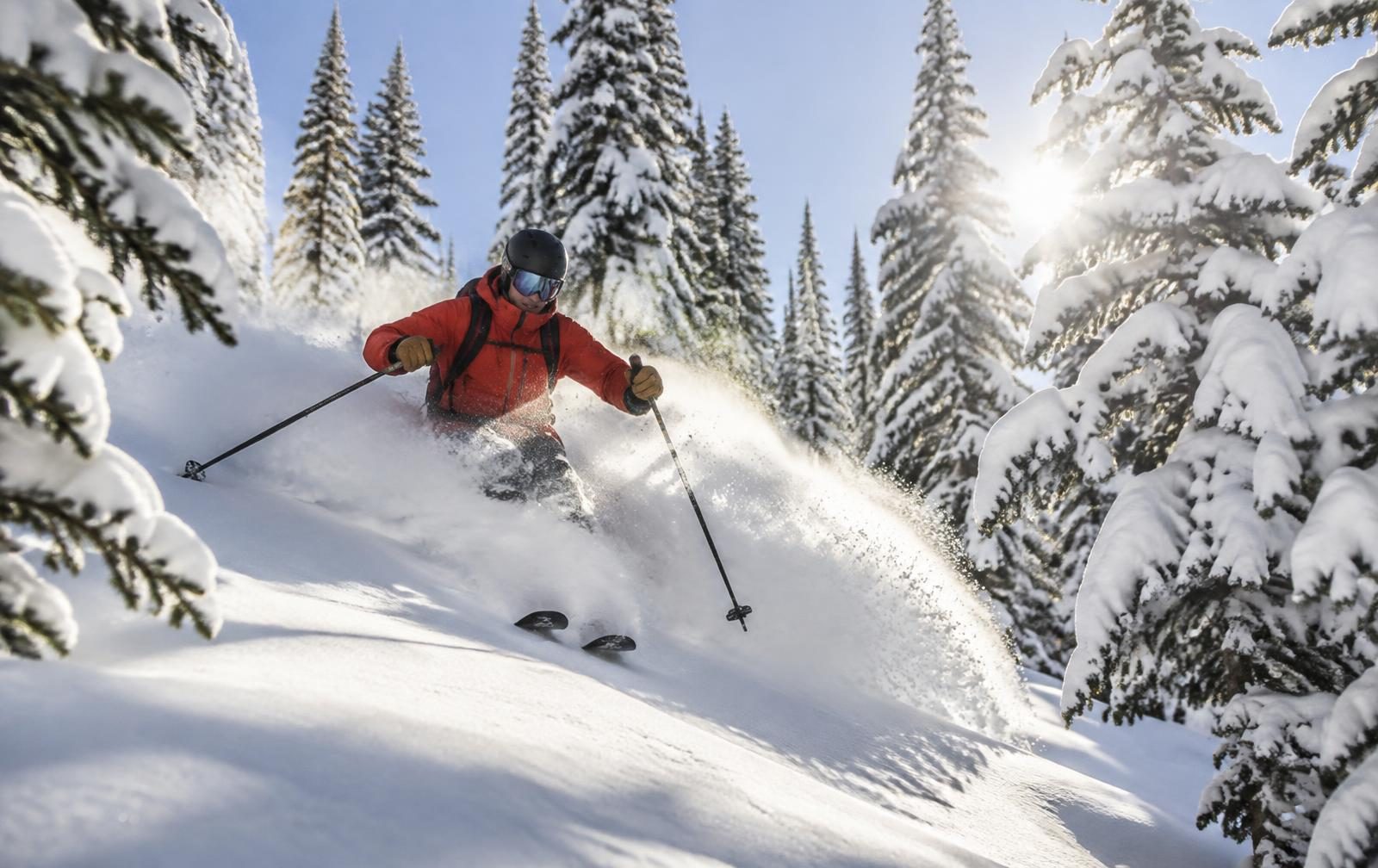
Best Powder Skis of 2026: Top 10 Wide Skis for Deep Snow
This guide compares 10 currently sold powder and freeride skis (roughly 104mm–121mm waist) by published construction, rocker profile, weight and price to help resort and backcountry skiers pick a deep-snow ski.
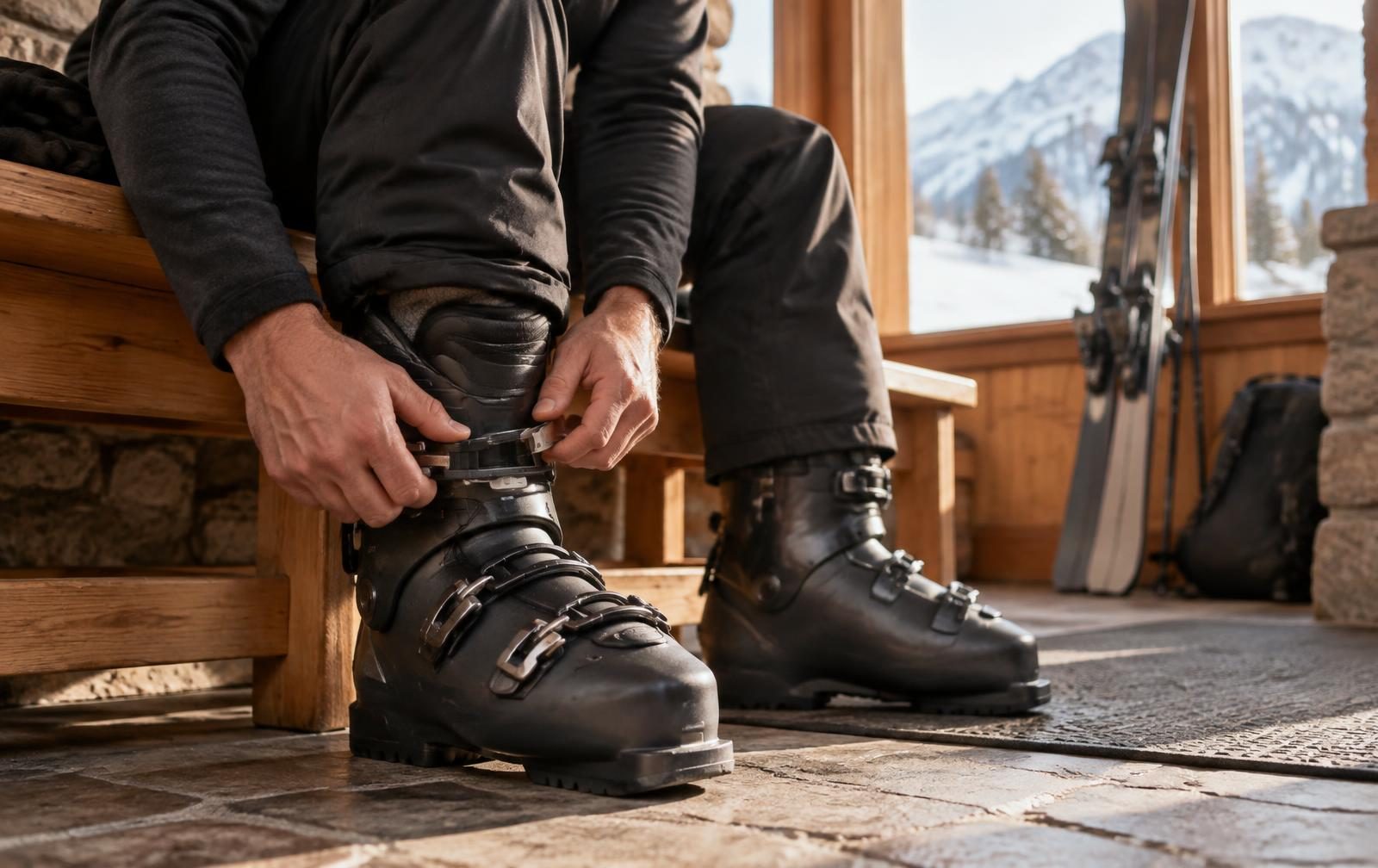
Best Men's Ski Boots of 2026: Top 10 for Every Level and Foot Width
This guide compares 10 currently sold men's ski boots by published flex, last width, walk mode and sole standard so you can shortlist boots before a bootfitting.
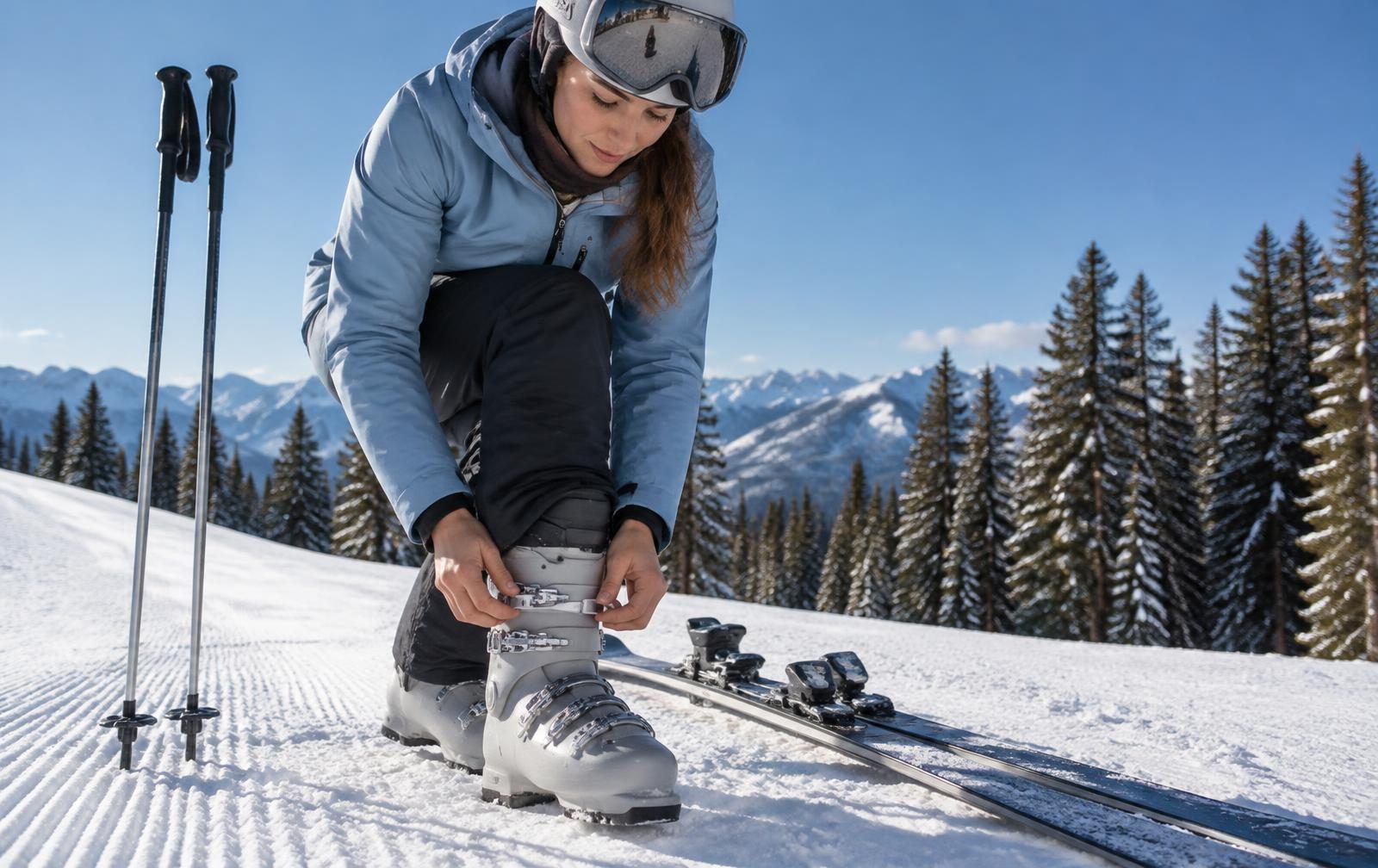
Best Women's Ski Boots of 2026: Top 10 for Every Level and Foot Width
This guide compares ten currently sold women's ski boots by published flex, last width and stated women's-specific fit features to help you narrow the field before a bootfitting.
One useful email a week
New guides, revisions to existing ones with a note on what changed and why, and price moves worth knowing about. One email a week, unsubscribe anytime.